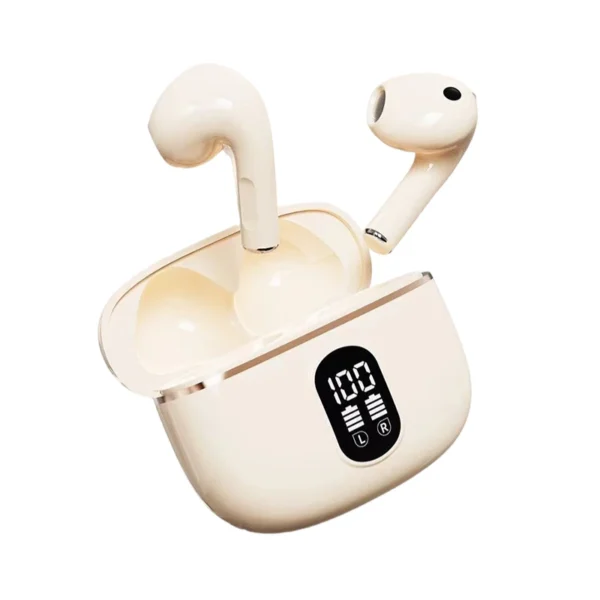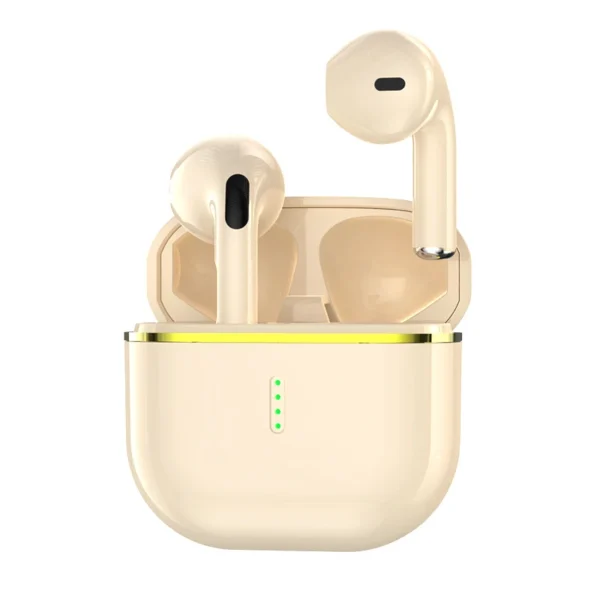
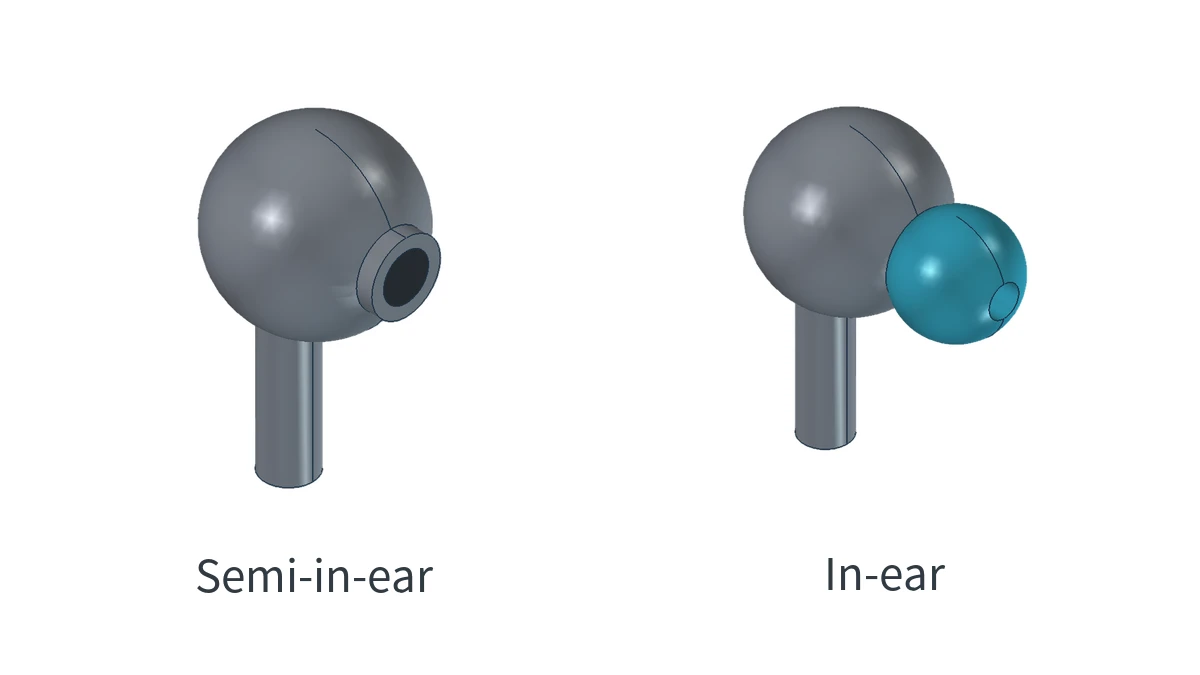
When choosing earbuds for a brand, how do you distinguish semi-in-ear from in-ear designs? Yinshidon offers design and manufacturing services for complete earphones, and this comparison can start with a visible detail: what supports the earbud in the ear and whether an ear tip seals the ear canal entrance. This difference affects fit, noise isolation, and bass performance.
The Structural Difference: Sealing Ear Tips
This comparison covers two common forms of true wireless earbuds:
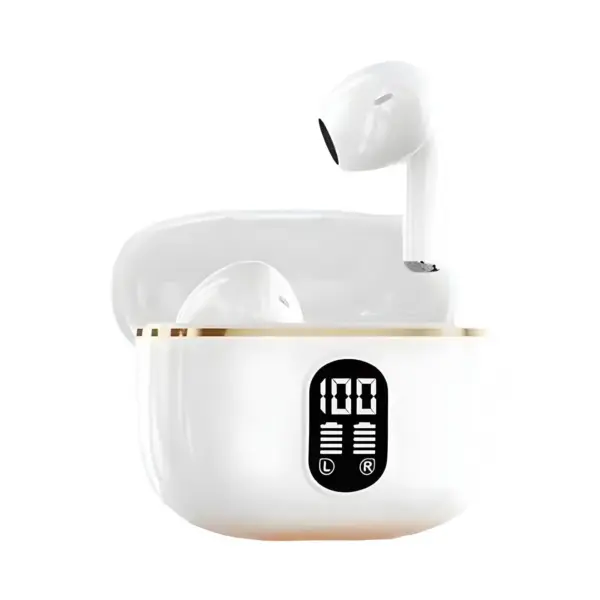
- Semi-in-ear: These usually have no separate sealing ear tips; the sound outlet sits near the ear canal entrance, and the housing rests in the hollow of the outer ear, leaving gaps around it.
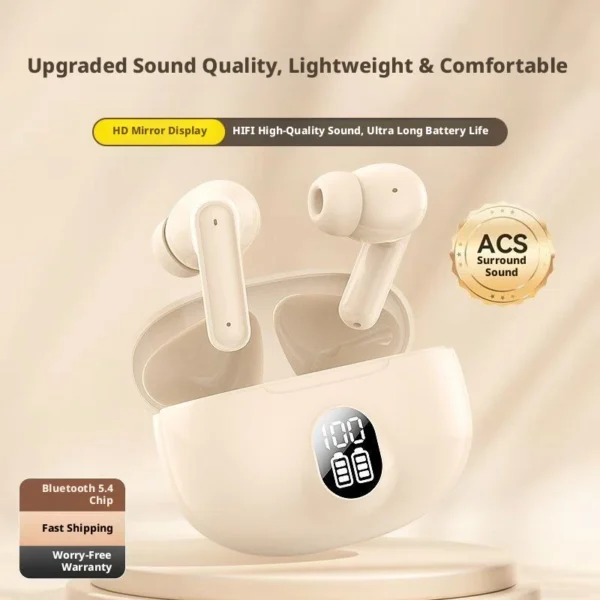
- In-ear: Soft ear tips fit over the sound nozzle; when worn, the tips fit near the ear canal entrance to form a seal, while the earbud body remains in the outer ear.
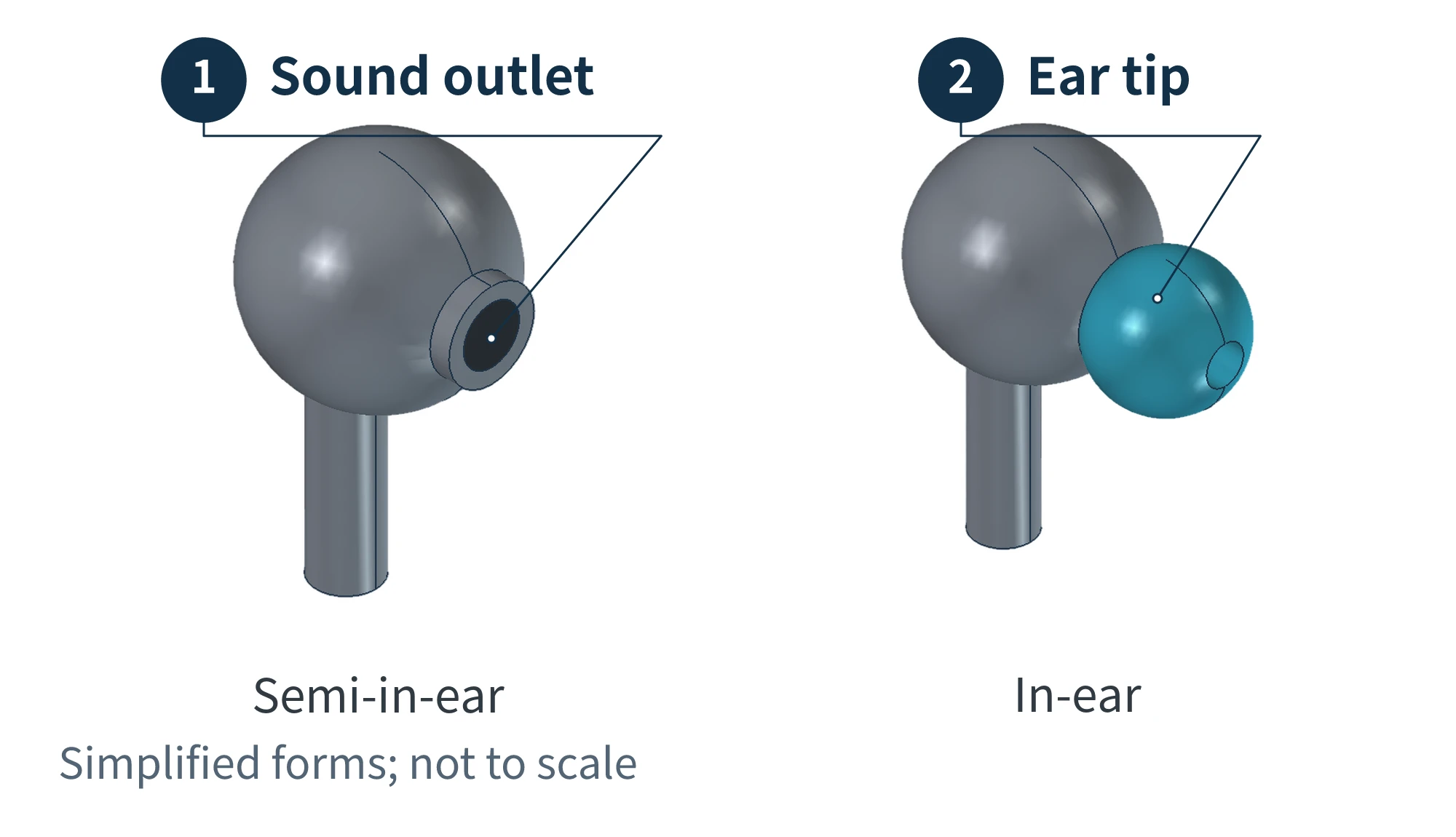
“Semi-in-ear” does not mean insertion halfway into the ear canal. Distinguish these two forms mainly by the sound outlet and how they contact the ear; clip-on and ear-hook designs are not included as semi-in-ear earbuds here.
Where Each Type Sits in the Ear
The small, bowl-shaped hollow in the center of the outer ear is called the concha, and the ear canal opens into this area. In the comparison below, focus on the relationship between the sound outlet and the ear canal entrance.
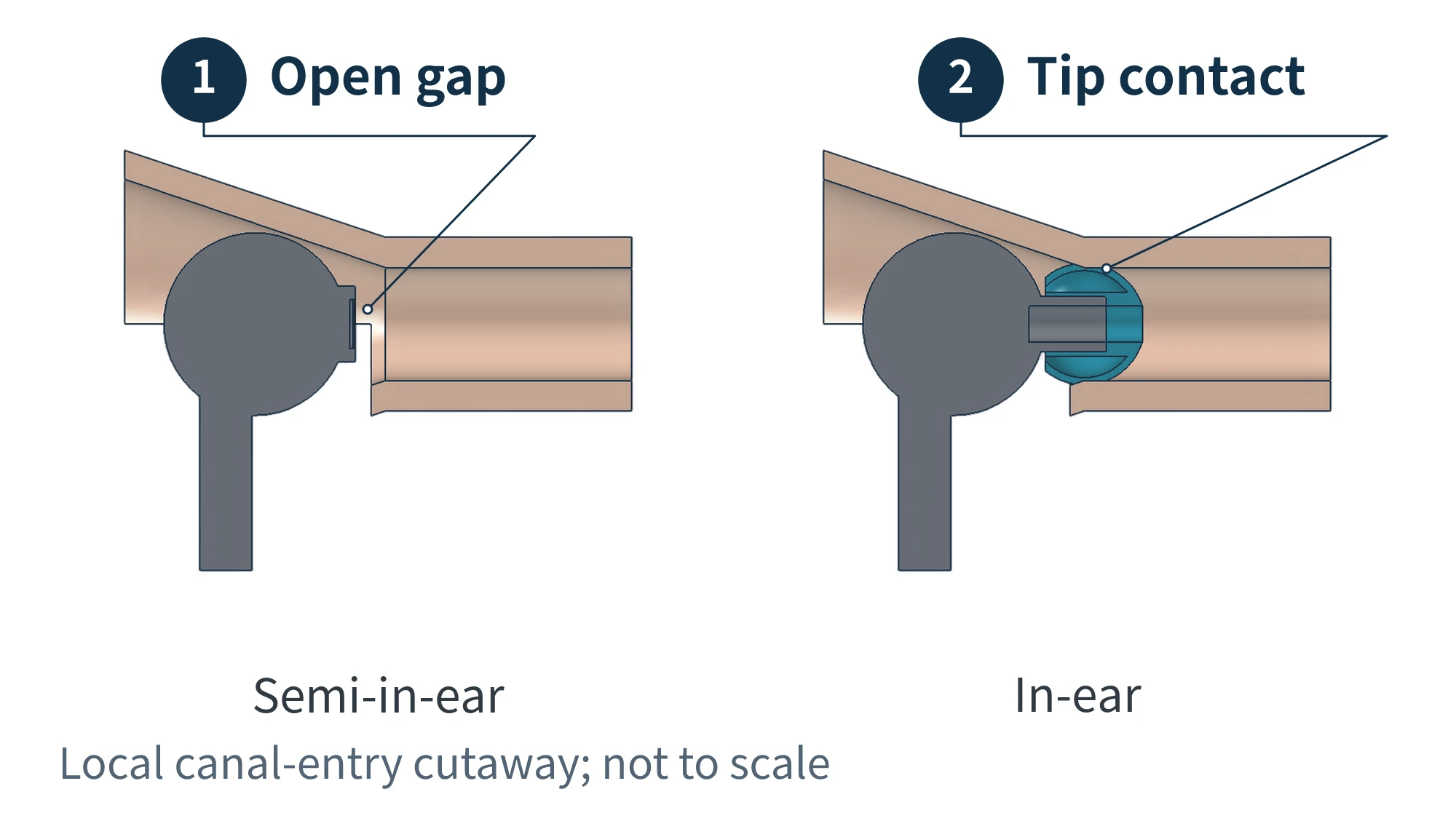
Semi-in-ear earbuds rest gently in the concha; adjust the housing according to the model’s instructions so that the sound outlet faces the ear canal entrance. Check whether the housing presses against the ear or becomes loose when you turn your head. Having no ear tips does not mean the housing fits every ear shape.
For in-ear earbuds, choose suitable ear tips first, then gently place them near the ear canal entrance and adjust them until they fit without noticeable pressure. Tips that are too small may feel loose or leave gaps; tips that are too large may press uncomfortably. The left and right ears may need different tip sizes.
If the earbuds fall out easily, press uncomfortably against the ear, or suddenly sound thin in the bass, try adjusting their position first; for models with ear tips, try a different size as well. Aim for a good fit rather than inserting the earbuds as deeply as possible.
Why Fit Changes Noise Isolation and Bass
Start with noise isolation. When an ear tip seals around the ear canal entrance, it blocks the gaps through which outside sound can enter; this is passive noise isolation. With a suitable seal, in-ear earbuds can therefore generally reduce surrounding noise more effectively. Semi-in-ear earbuds leave gaps, so surrounding sounds can enter more easily.
Passive noise isolation and active noise cancellation (ANC) are different. The first relies on a physical barrier, while the second uses electronic acoustic processing to reduce noise. Semi-in-ear earbuds can also have ANC, but its effectiveness depends on the model; noise reduction for calls should not be treated as ANC for listening to music.
Then consider bass. Gaps around the ear tips let sound leak out, which may reduce low-frequency sound pressure in the ear canal and make the bass sound thinner. The same pair of in-ear earbuds may therefore sound weak in the bass if the seal is poor. Bass from semi-in-ear earbuds is more sensitive to ear shape, wearing position, and the gaps left around the earbuds.
With a good fit, in-ear earbuds can more easily maintain a full bass response; semi-in-ear earbuds can also produce bass, but the category name alone cannot guarantee it. Vocals, instruments, and the overall listening experience also depend on the model’s tuning and the listening environment. Stronger isolation or more bass does not, by itself, mean better overall sound quality.
Which Type to Try for Different Needs
Based on the contact and isolation differences above, the following table gives an initial direction:
| Use case or user group | Try first | What else to check |
|---|---|---|
| Quiet indoor use with frequent interaction with others | Semi-in-ear earbuds | Whether you can hear surrounding sounds during playback still depends on volume. |
| People who dislike ear tips touching the ear canal | Semi-in-ear earbuds | Whether the housing presses on the concha; do not judge comfort only by the absence of ear tips. |
| Noisy commuting with a wish to reduce background noise | In-ear earbuds with a suitable seal | Ear-tip size, actual isolation, and the model’s ANC capability. |
| People who prefer full bass and focused music listening | In-ear earbuds with a suitable seal | Confirm the fit first, then compare the model’s tuning and listening experience. |
| Extended wear or exercise | Try both forms in practice | Whether they press on the ear, loosen when you turn your head, or move after activity. |
The table suggests which form to try first. When choosing the final model, compare both types with the same piece of music and observe how they stay in place during everyday activity: differences caused by ear shape and ear-tip size often only become clear when you wear them.
Popular TWS Earbuds
Wholesale from 100 pcs per model, mix models in one order. Your logo from 1,000 pcs.