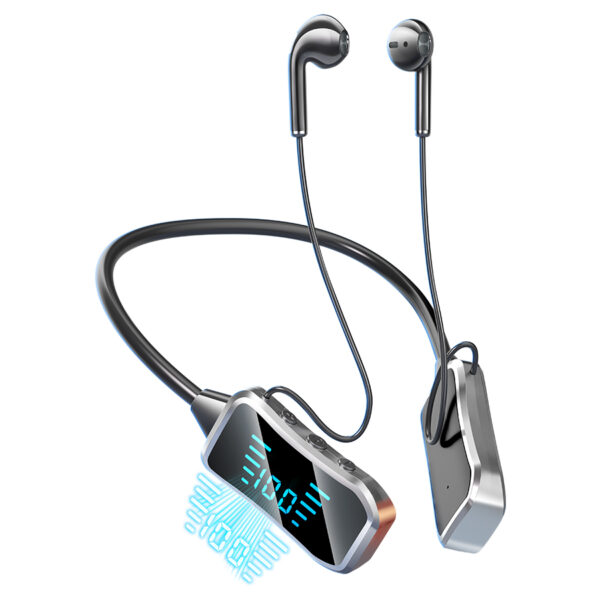
It is easy to look at the battery figures on two headphone product pages and reach a quick conclusion: the model with the larger number must last longer. In daily use, the difference often appears somewhere else: where you put the headphones after taking them off, when you can recharge them, and whether putting them on again takes one extra step.
To compare neckband headphones with TWS earbuds, use this order: separate single-charge playback from the total figure that includes the charging case, then look at fit and handling, and finally run through a day in the order of “play, take off, hang up or return to the case, then put them on or recharge.” This gives you a set of conditions to check instead of one answer for every user.
Start with the Structural Difference
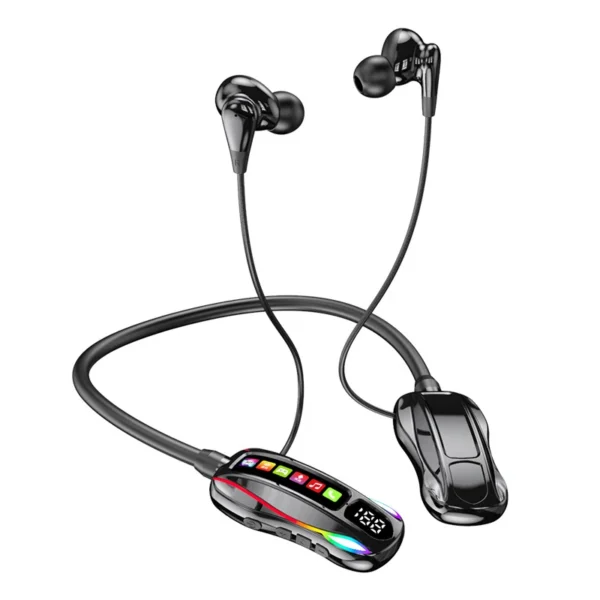
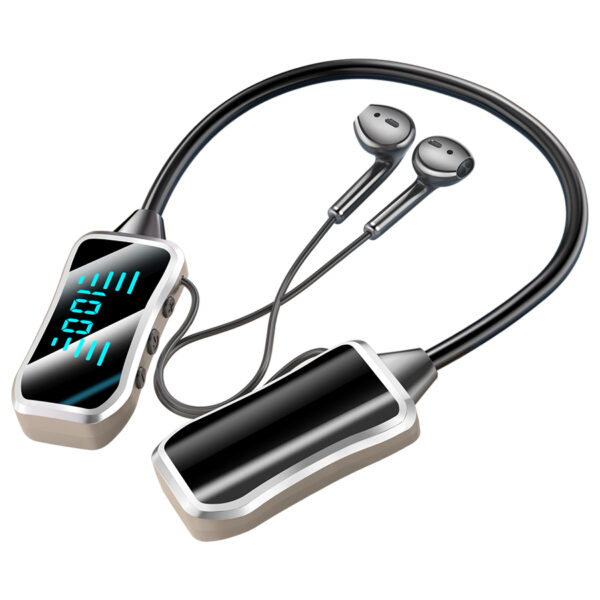
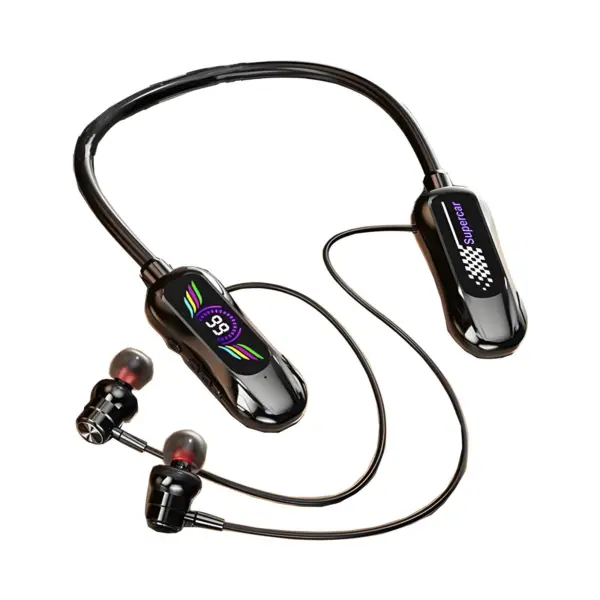
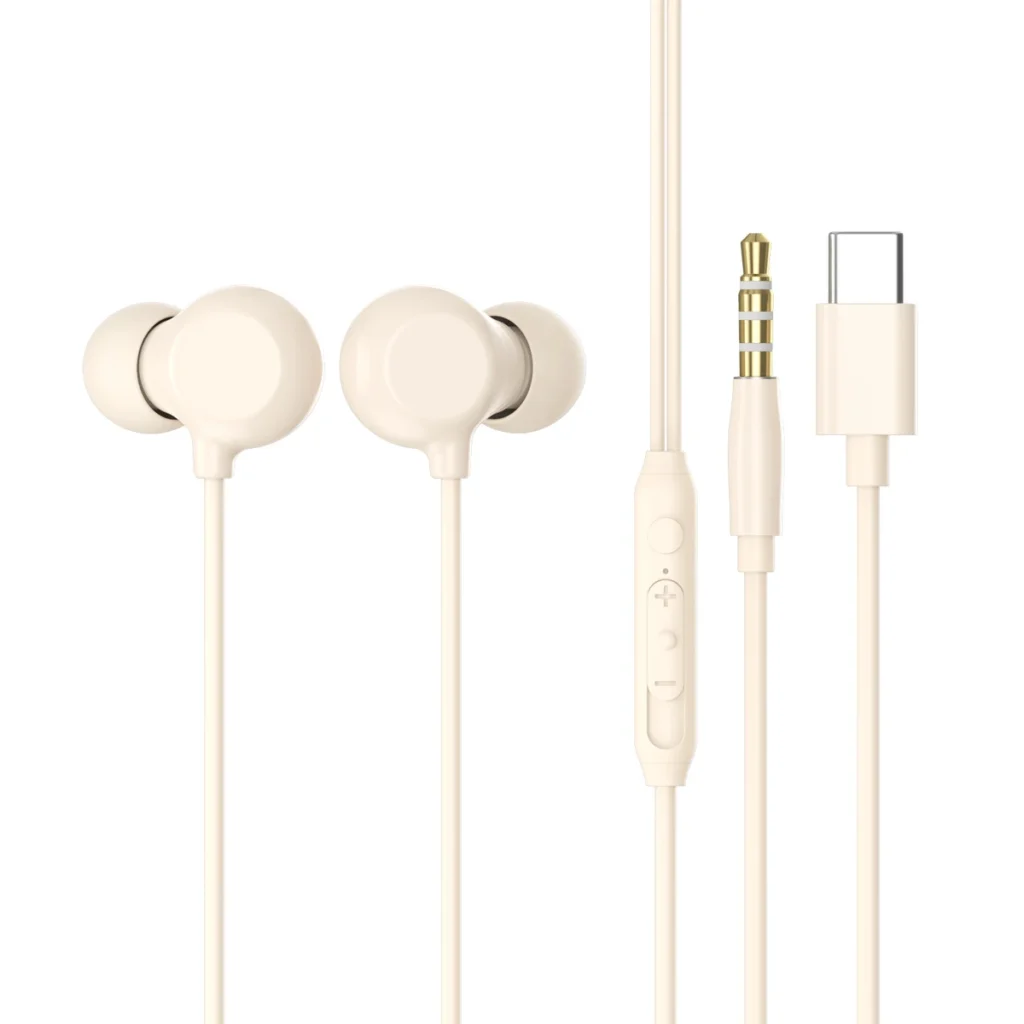
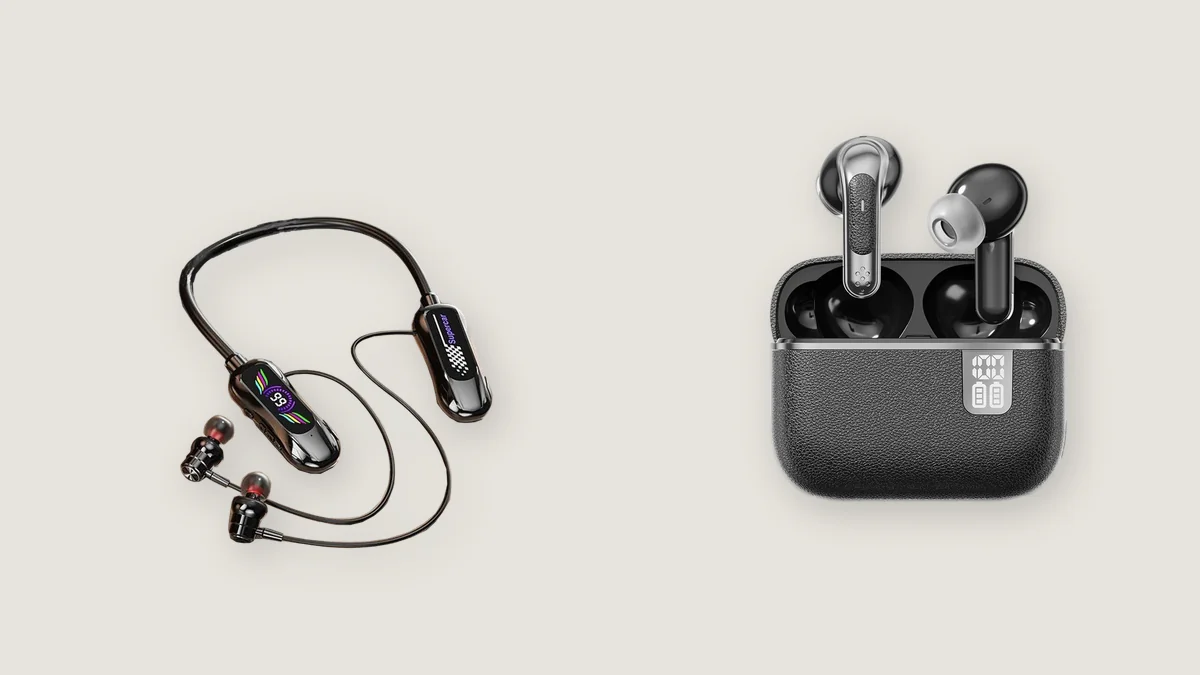
Neckband Bluetooth headphones connect the left and right earpieces with a neckband or another connecting structure. TWS, or true wireless earbuds, separates the two earbuds and usually comes with a charging case. Both types can connect to a phone over Bluetooth, but the location of the headphone hardware, storage, and power supply is different.
That structural difference changes what happens after you take the headphones off. A neckband model may stay around your neck for a moment. TWS earbuds usually go back into the charging case or another fixed storage place. Whether a model has magnetic earbuds, automatic pausing, single-ear use, or controls in a particular position depends on the model instructions. You cannot infer those functions from the words “neckband” or “TWS” alone.
Separate Single-Charge Playback from Case-Total Battery Life
First ask what the number of hours on the product page actually means. Does it describe continuous playback after the headphones are fully charged, or does it include the extra charge supplied by the case? These figures answer different questions.
For example, the official specification for a neckband model such as the Sony WI-C100 lists up to 25 hours of music playback and notes that codec and usage conditions affect the actual time. A TWS model such as the Sony WF-C510 lists up to 8 hours with ambient sound mode on, or 11 hours with it off, and lists the charging case separately. These figures show the test conditions and reporting method for those models. They do not represent every neckband or every TWS product.
Record the comparison in three columns:
| What to check | Question it answers | What it cannot prove |
|---|---|---|
| Single-charge playback | How long can it play without returning to the case or connecting a charger? | It does not equal total listening time across a full day. |
| TWS case-total figure | How long can repeated returns to the case and recharges support? | It cannot be ranked directly against a neckband’s single-charge figure. |
| Test conditions | Are volume, codec, and ambient sound or noise-cancelling settings comparable? | Without the conditions, the numbers cannot be compared fairly. |
“Neckband battery life is longer” only has meaning when the reporting method is the same and volume, codec, and ambient sound or noise-canceling settings are similar. If one page gives single-charge playback and the other gives the case-total figure, record them separately and check the original specifications and test conditions for both models.
Fit Depends on More Than Weight
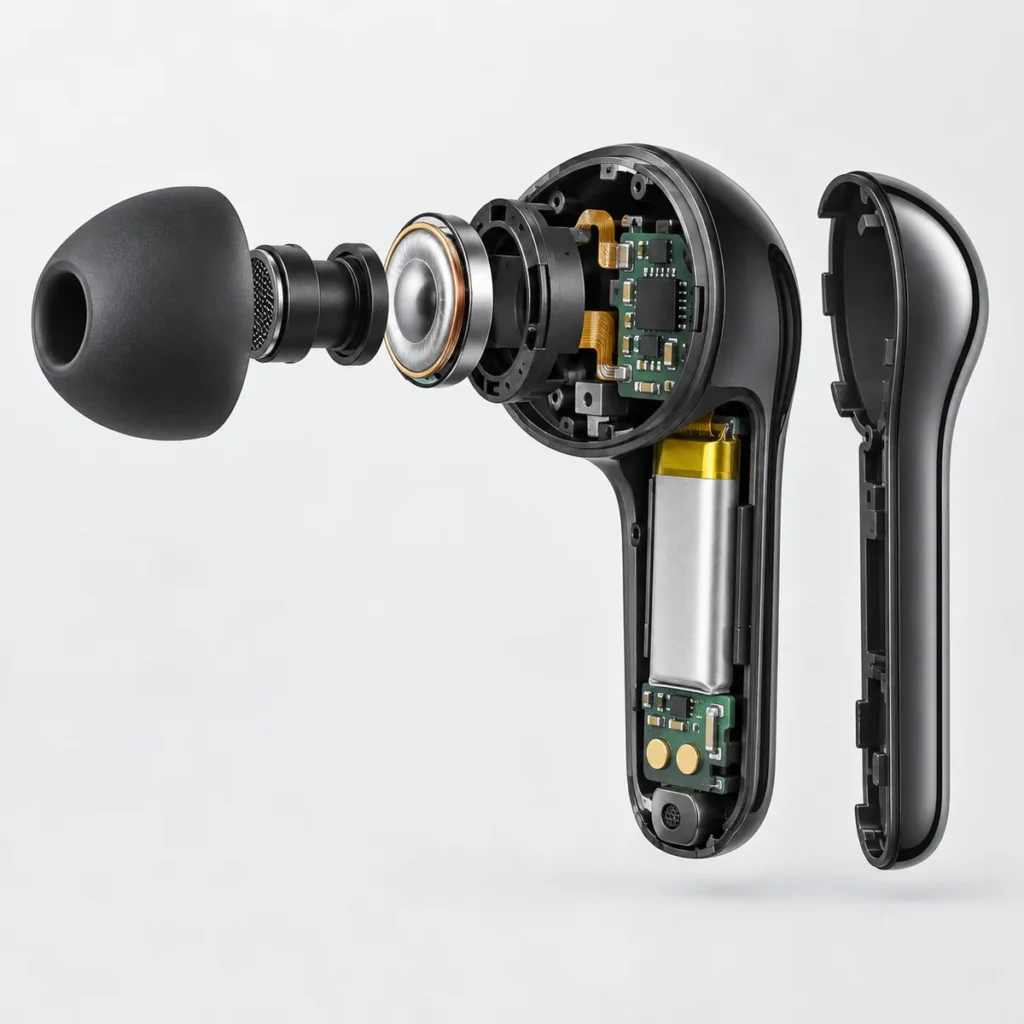
During a long commute or meeting, comfort cannot be decided by one weight figure. For a neckband design, check the pressure of the eartips on the outer ear or ear canal, the feel of the neckband, and movement while walking. For TWS, check ear shape, eartip size, the presence of ear wings, and whether the specific housing loosens during movement.
The same pair can feel comfortable while sitting still but require adjustment during a brisk walk or repeated head turns. Conversely, a light TWS earbud can still make the wearer keep checking whether it has shifted if the fit is wrong. Without an independent test under the same conditions, record three points first: whether the fit and pressure remain suitable during continuous wear, whether the housing or ear wing stays stable during exercise, and whether the neckband remains noticeable over a long session.
As an earphone manufacturer supporting OEM and ODM projects, Yinshidon can review ear fit, wearing pressure and stability during movement at the design and sample stages. Complete earphone design, production, configuration, and tuning can be handled according to the project. Which form is more stable or comfortable still depends on the model and an actual try-on.
Which Is Easier When You Take Them Off Briefly?
Break down a common situation: you are listening, enter a store, or start talking to someone and plan to continue a few minutes later.
A neckband model usually follows this sequence: “play → take off → hang around the neck → put it on again.” TWS usually follows: “Play → take off → return to the charging case or separate storage → take out again when needed → put it on.” The first removes the need to find a place to put the earbuds. The second can combine storage and recharging when the case is needed anyway.
Hanging a neckband does not make it impossible to lose, and TWS is not always more troublesome. Clothing, a bag, or movement can catch a temporarily hanging pair. Returning TWS to the case also requires carrying the case. Magnetic attachment, automatic pausing after returning to the case, and single-ear use must be confirmed in the instructions for the specific model. The most useful check is to count how many times you take the headphones off in a day and see which routine interrupts your work less.
Compare Them Across a Typical Day
Divide the day into four moments and check what you actually need instead of memorizing another list of general advantages and disadvantages:
| Moment in the day | Question to ask | What to check |
|---|---|---|
| Continuous playback | How long do you usually listen at one time? | Single-charge playback and test conditions |
| Short breaks | How many times do you take them off? | The actions of hanging up, returning to the case, and putting them on again |
| Carrying them around | Are you willing to carry another charging case? | Size, a fixed storage place, and the specific housing design |
| Opportunities to recharge | When can you connect a charger or return the earbuds to the case? | Case-total battery life, charging time and model instructions |
If you listen for a long time and rarely take the headphones off, start with the single-charge specification and the feel of the neckband. If you take them off often and are willing to carry a case, returning TWS to the case may fit your routine better. If compactness matters most, consider the earbuds, the case, and the storage action together. Fit stability still depends on ear shape and the specific model, so do not skip a try-on and the specifications just because your use case sounds familiar.
How Should You Choose?
Four questions are enough:
- Does one continuous listening session usually exceed a particular length of time?
- How many times do you take the headphones off temporarily in a day?
- Are you willing to carry the charging case all the time?
- How stable must the headphones remain while walking, running, or turning your head, and is your ear shape prone to loosening the fit?
If you listen for long periods and rarely take the headphones off, check the single-charge specification and neckband fit first. If you take them off often and are willing to carry a case, check the TWS single-charge figure, case-total figure, and return-to-case routine. If you have not tested the fit during movement, try a sample before deciding between the two forms.
Yinshidon can support complete earphone OEM and ODM projects, configuration changes, and tuning adjustments. For a specific neckband Bluetooth headphone model, use the model’s structure, functions, and specifications as the basis, then bring the four questions above into the project discussion.
Frequently Asked Questions (FAQ)
Can a neckband’s single-charge battery life be compared directly with a TWS case total figure?
No. Compare the single-charge playback time for both pairs first, then check how many recharges the case-total figure supports. Do not rank the neckband or TWS higher when the test conditions are different.
Will a neckband hanging around the neck never get lost?
No. Hanging it is only a storage method, and it can still be affected by clothing, a bag, and movement. Anti-loss functions, magnetic attachment, and automatic pausing depend on the specific model.
Are TWS earbuds always lighter and more comfortable?
That is too broad a conclusion. Ear shape, eartips or ear wings, housing shape, and movement all affect the result. Without a test under the same conditions, you cannot say which form is more comfortable. List these factors and then check the model’s structure and try-on result.
What should you check first when choosing between the two forms?
First confirm the test conditions behind the single-charge playback number. Then record how often you take the headphones off and when you can recharge them. Finally, wear the specific model and check stability while walking and turning your head. This compares your actual routine instead of the largest number on a product page.
Popular Neckband Headphones
Wholesale from 100 pcs per model, mix models in one order. Your logo from 1,000 pcs.
- 911
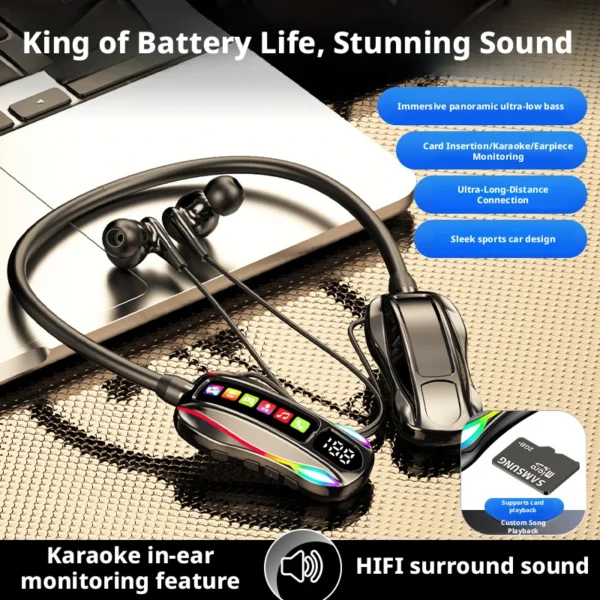
911 Neckband Bluetooth 5.4 Headphones, Low-Latency Gaming, Karaoke Ear-Return
$2.30–$2.70 / pc · MOQ 100