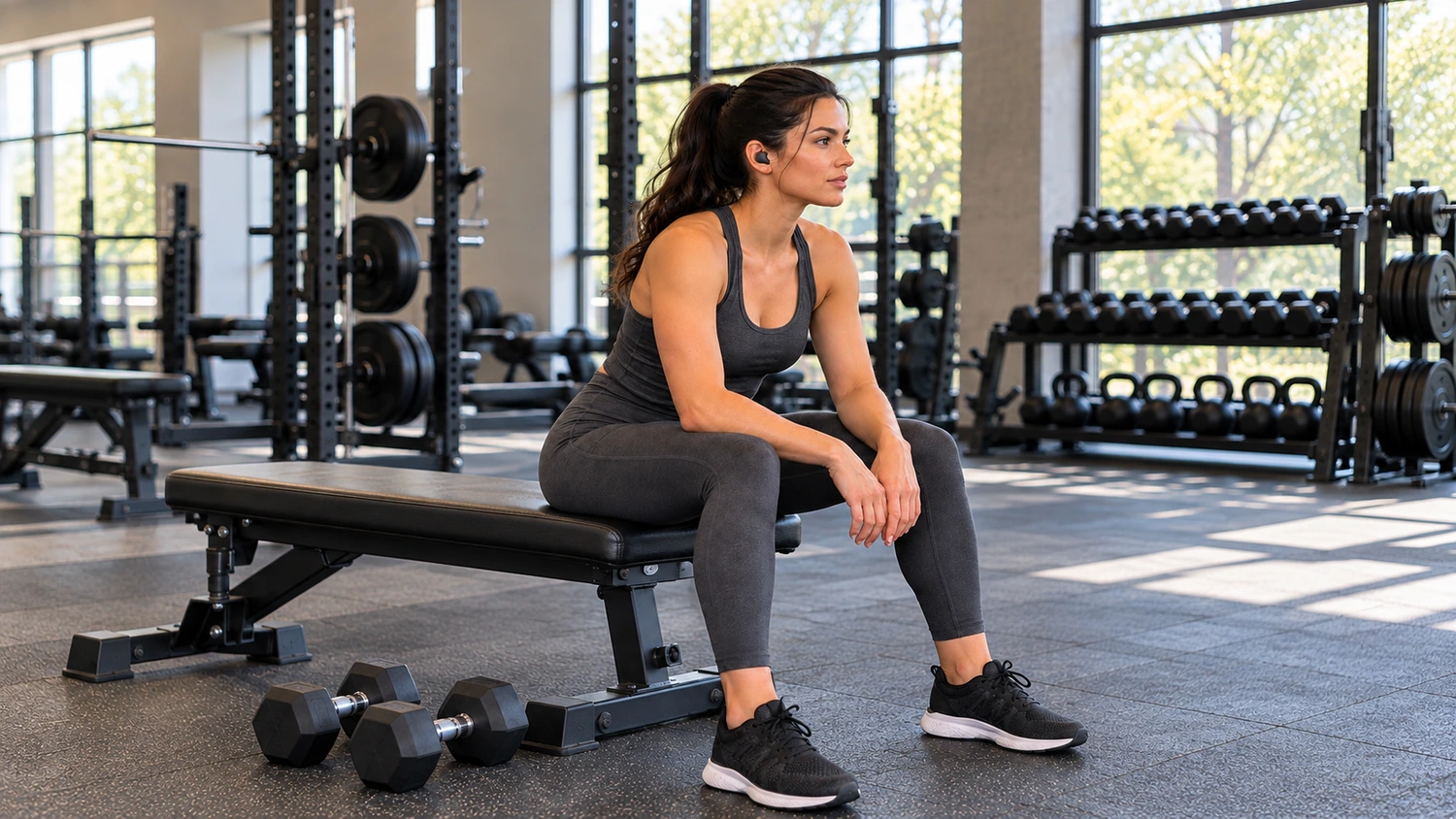
When developing or selecting earphones for the gym, define the workout conditions clearly: continuous movement on a treadmill, looking down and turning the head during strength training, or listening to instructions in a class. The same earphones may suit these situations differently.
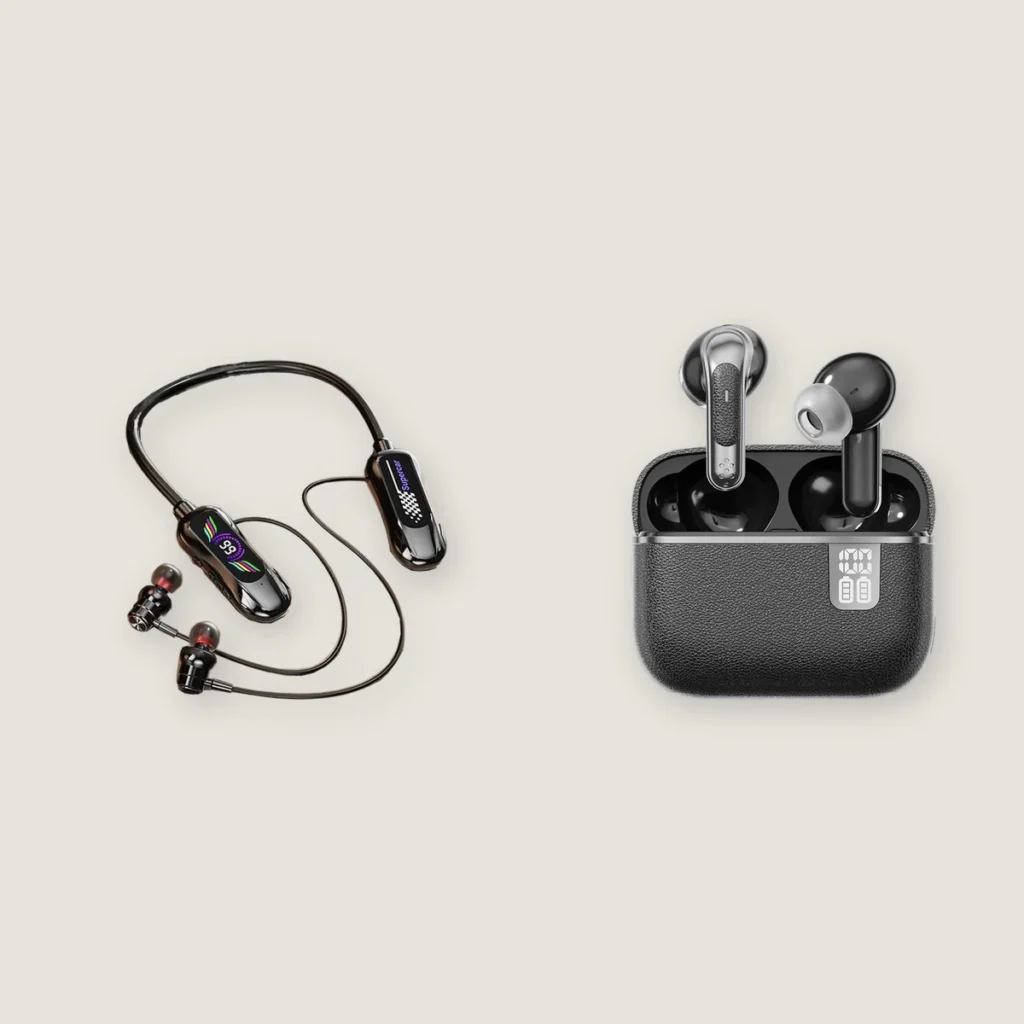
Yinshidon supplies small in-ear earphones, clip-on headphones, ear-hook headphones, and neckband headphones. When comparing them, first check whether they remain comfortable during the intended movements. Then confirm the care required after sweating and the balance between music and conversation. Finally, try the controls with the phone in its expected position. This gives a brand reasons for choosing a model that relate to the gym users it wants to serve.
Assess Fit During Workout Movements
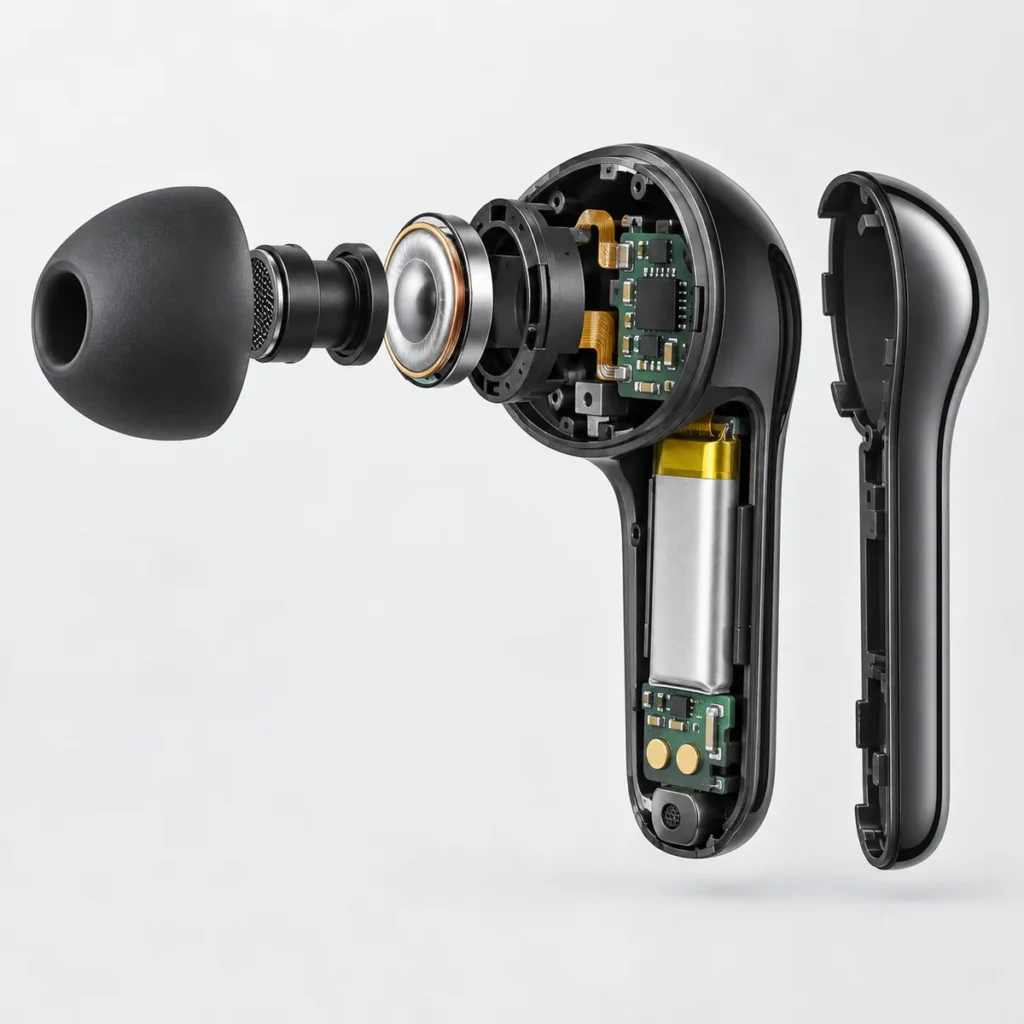
The ear tips on in-ear earphones need to fit the ear canal and feel comfortable. If a tip is too large and creates uncomfortable pressure, try a smaller one. If the seal is poor, adjust the fit or try another size. The left and right ears may also need different sizes. Pushing an earbud in more tightly does not make up for an unsuitable tip size.
Earphones that stay in place while sitting still should also be checked for movement during activity. When comparing samples, start with movements such as turning the head, looking down, and raising the arms. Check whether the earphones shift, repeatedly rub against one spot, or need frequent readjustment by hand. These are ways to observe differences between candidates; adapt them to the intended workout movements.
For ear-hook, clip-on, and neckband models, examine how each is actually worn. Ear hooks curve around the ears, clip-on designs attach to the outer ears, and neckband models have a band around the neck with wires leading to the earpieces. With a neckband model in particular, check whether a collar or arm catches the wires when the wearer turns their head or raises their arms, pulling on the earpieces. A sports label or an added support feature still needs to be assessed against the individual’s ear shape and movements to judge comfort.
When a brand evaluates samples, record whether the earphones shift during head turns or arm raises and where any rubbing occurs. Simply noting that they “stay secure” misses the difference between sitting still and moving.
Consider Sweat Resistance Alongside After-Workout Care
For workouts that involve sweating, first confirm which sporting uses the model explicitly permits, then check its protection rating and limitations. An IP (enclosure protection) rating describes protection against dust and water ingress under specified test conditions. It cannot be converted directly into a service life under prolonged exposure to sweat. Labels such as “waterproof” or “sports earphones” do not replace specific instructions.
For true wireless earbuds supplied with a charging case, check the earbuds and the case separately. A protection rating for the earbuds does not establish the same protection for the case. Returning sweat-damp earbuds to the case also carries moisture into the storage and charging area, so care after exercise is part of evaluating them for gym use.
After a workout, follow the instructions for that model: wipe away sweat with a soft, dry cloth, let the earbuds dry completely, and then return them to a dry charging case. Follow the model’s specified cleaning method and drying requirements. Do not copy another model’s rinsing method or assume a fixed waiting time. Even a claim of sweat resistance does not remove the need for this step.
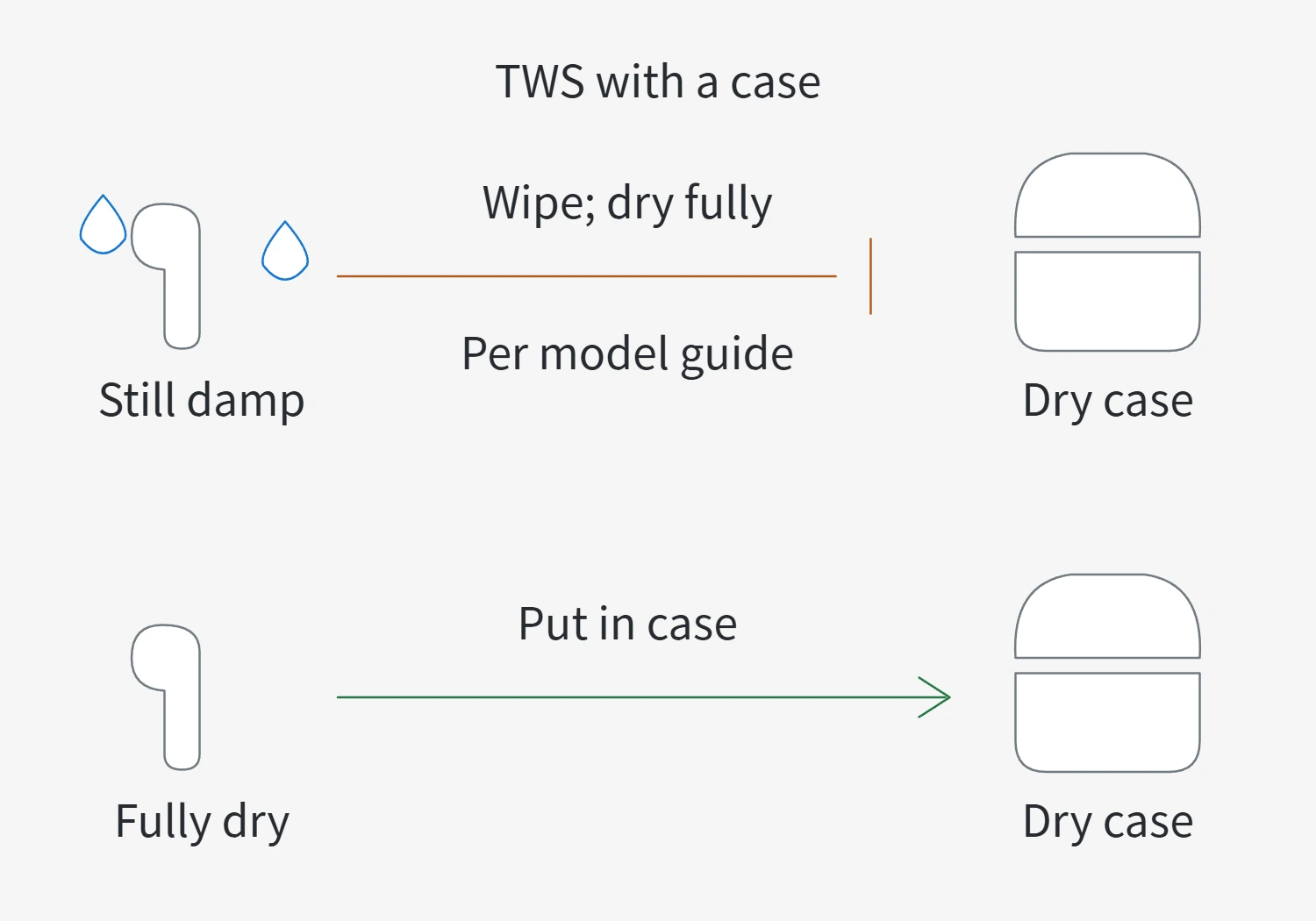
When comparing two candidates, look beyond the earbuds’ protection claims to how easily they can be wiped and dried. For models with a case, also check the case’s usage restrictions. Considering protection and daily care together gives a closer picture of use after a gym session.
Focus on Music, or Stay Ready for Conversation?
Sounds in a gym serve different purposes. Equipment noise and background music may interrupt listening, while a trainer’s instructions or a partner’s voice may be information the wearer needs at that moment. The value of noise-cancellation features therefore depends on the workout activity.
| Actual listening need | What to compare between earphones |
|---|---|
| Training alone and wanting to focus on music | Once the fit is right, listen for whether background sound still noticeably interferes with the music. If active noise cancellation is available, compare the experience with it on and off. |
| Frequently talking with a trainer or workout partner | Check how clearly nearby speech can be heard and how easily the wearer can pause music or switch to ambient sound mode. |
| Alternating between both needs within one workout | Compare how easily modes can be changed and playback resumed, so the wearer does not have to take out a phone and find the settings each time. |
Open-ear earphones do not use ear tips to seal the ear canal entrance. Some in-ear models instead offer a transparency or ambient sound mode, which uses external microphones to pick up surrounding sound and play it to the wearer. Both approaches can be considered when comparing options for conversation, but neither establishes that a trainer’s speech will always be clear.
Music volume and the surrounding environment still affect how clearly nearby sounds can be heard. When an instruction needs to be confirmed, pause the music before talking. Do not assume that every sound will be audible simply because ambient sound mode is on. If a brand emphasizes conversation during exercise, make that experience a focus of comparison rather than merely adding a mode name to the feature list.
Try Controls and Connectivity as They Will Be Used in the Gym
A light tap that starts playback on a display stand does not necessarily mean the controls will be as convenient during a workout. Try common actions such as pausing, adjusting volume, and changing modes. Observe whether the wearer repeatedly has to search for the control, whether pressing it moves the earphone, and whether training can continue after the action.
Assess touch controls and physical buttons on the specific model. Some touch-controlled earphones have instructions that restrict operation with wet hands, damp sensors, or gloves. These conditions cannot be generalized to every touch-controlled product, nor do they establish that physical buttons are always better. If the intended users wear training gloves or need frequent pauses, include those conditions in the comparison while following each model’s operating instructions.
Check wireless connectivity with the phone in its actual intended position, too. A phone in a trouser pocket, beside a workout bench, or in an equipment holder may encounter different obstructions between the devices and different surrounding interference. During listening trials, use the expected phone position and observe whether playback remains continuous as the wearer moves. This is more useful than comparing only Bluetooth versions or stated ranges.
Finally, relate the reasons for choosing a model to its specific use: who will wear it, what training they mainly do, when they need to talk, and how they will care for the earphones after sweating. Earphones that remain comfortable and easy to control under those conditions, while being used within the model’s instructions, are a better candidate for that gym application.