When comparing two earbud samples, one marked IP54 and the other IPX5, which offers better water protection? Treating “54” and “5” as overall scores gives the wrong comparison. The water-protection rating in IP54 is the final digit, 4, which specifies the same protection against splashing water as IPX4. IPX5, by contrast, refers to a water-jet test.
For IPX6 and IPX7, you also need to consider how water contacts the earbuds. Water splashing from different directions, a jet directed at the enclosure, and a device immersed in water represent different test conditions. Understanding those conditions helps you judge what a rating actually establishes.
IP54 vs IPX5: Which Digit Should You Compare?
IP is the code used in IEC 60529 to identify degrees of enclosure protection. The two positions commonly shown in earbud specifications describe protection against the ingress of solid foreign objects and water, respectively. Read them separately when assessing dust and water protection.
Take IP54 as an example:
- The first digit, 5, means dust-protected. Some dust may enter, but not in a quantity that interferes with normal operation or safety. This is below the dust-tight classification indicated by a first digit of 6.
- The second digit, 4, indicates protection against water splashing from any direction. It specifies the same water-protection category as IPX4. Adding a 5 in the first position does not turn it into a water-jet or immersion rating.
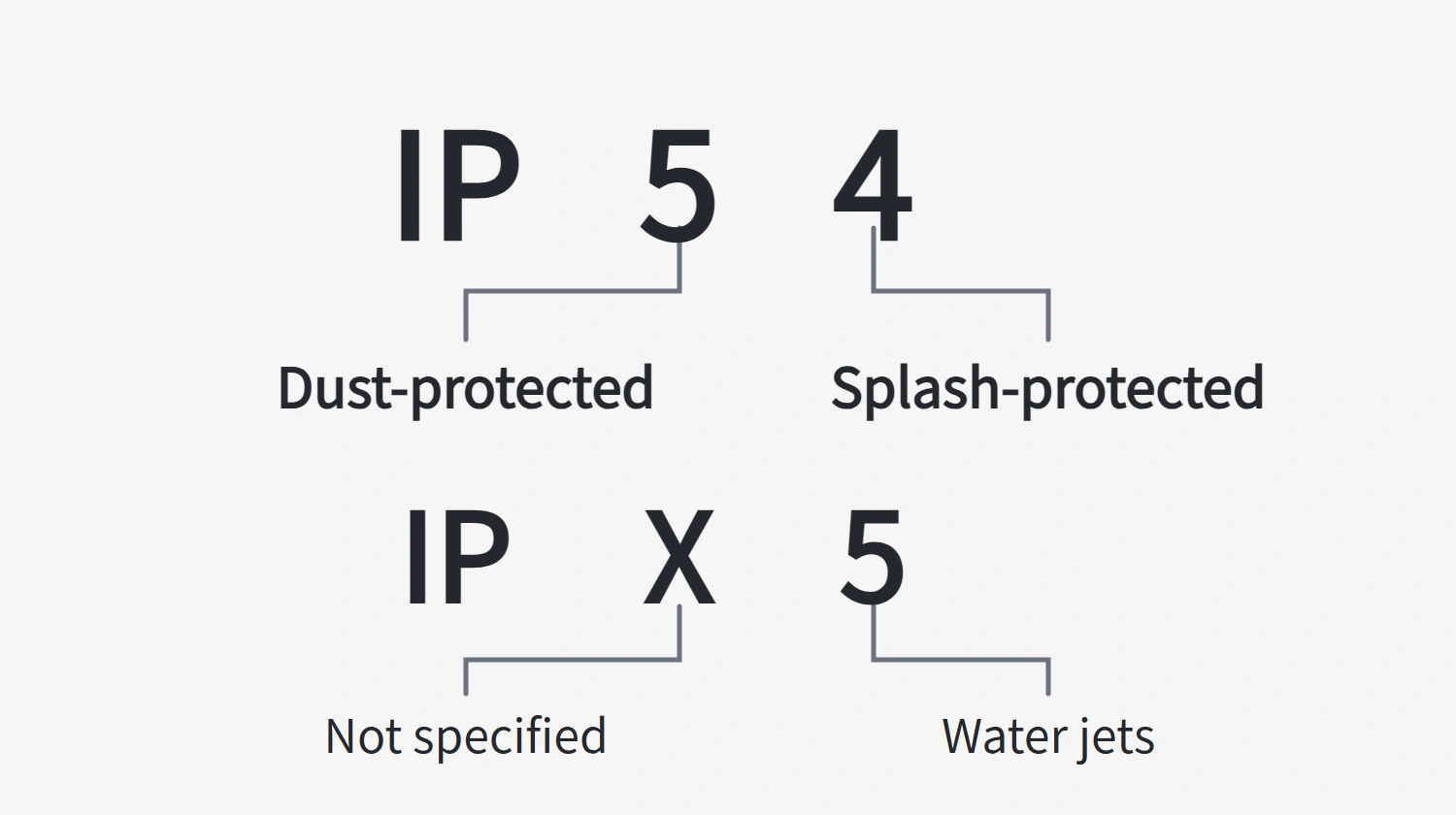
X means that no protection rating is specified for that position. IPX5 therefore specifies water protection at level 5 without specifying a solid-object protection rating. X alone does not establish that the product has no dust protection, or that it has never undergone a relevant test.
To compare water protection between IP54 and IPX5, compare the final digits, 4 and 5. For dust protection, look at the first position. You cannot add the two categories together or rank the entire codes as overall scores.
IPX4, IPX5, and IPX6: How Does Water Contact the Earbuds?
The difference between these three ratings starts with how the water is applied.
| Water-protection rating | How water contacts the enclosure during testing | What it means |
|---|---|---|
| IPX4 | Water splashes against the enclosure from any direction. | The test assesses splash protection, rather than immersing the earbuds. |
| IPX5 | Water jets are directed at the enclosure from all practicable directions. | The test assesses protection against water jets under specified conditions. |
| IPX6 | Powerful water jets are directed at the enclosure from all practicable directions. | The nozzle and flow-rate conditions differ from those for IPX5. |
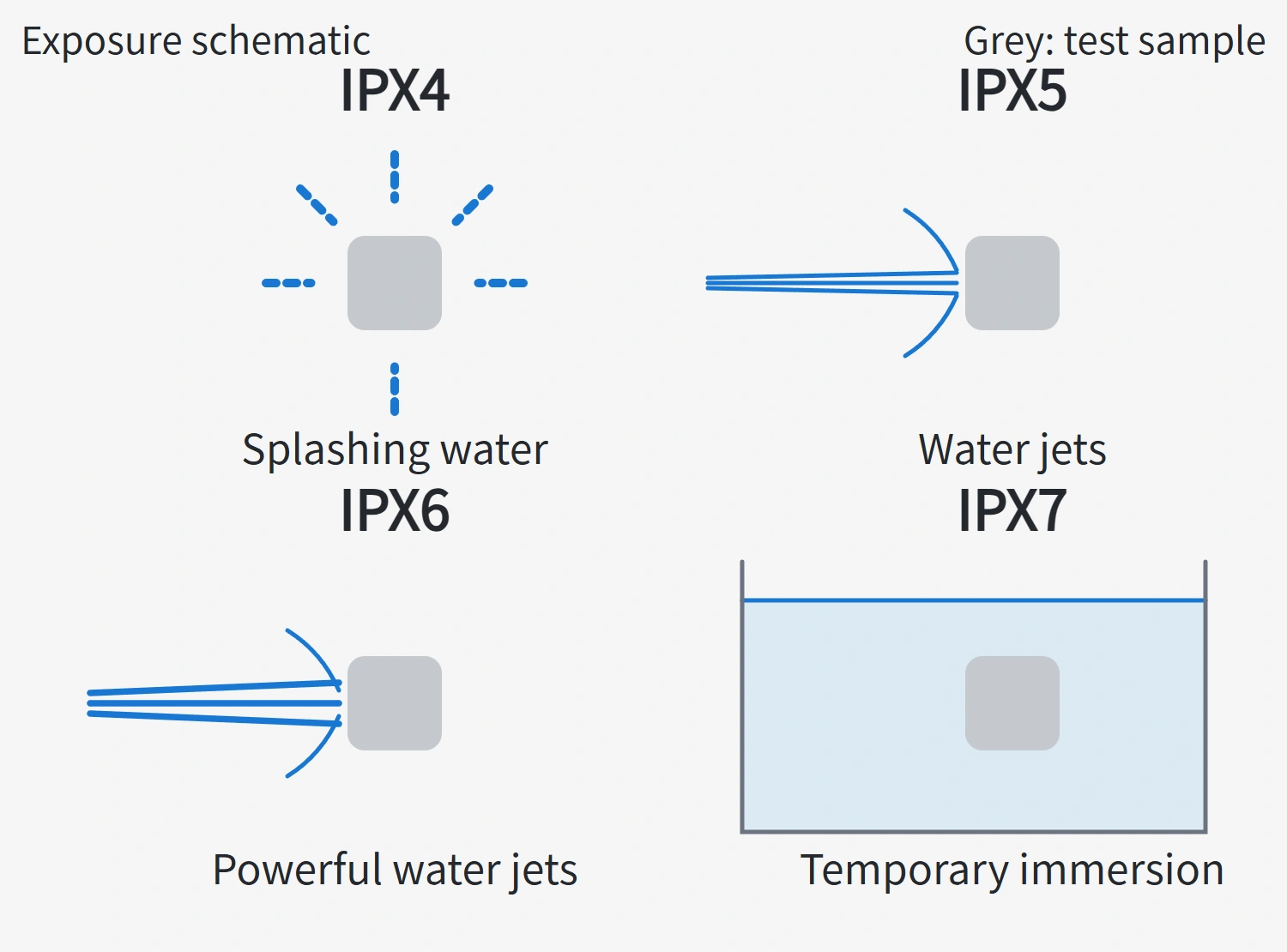
The difference between IPX5 and IPX6 is more specific than the marketing phrase “heavier rain.” In the standard water-jet apparatus, IPX5 uses a nozzle with an internal diameter of 6.3 mm and a specified flow rate of 12.5 L/min. IPX6 uses a 12.5 mm nozzle and a specified flow rate of 100 L/min. Both flow rates have specified tolerances. The test also controls the distance between the nozzle and the enclosure, as well as the exposure time.
IPX4 testing can use an oscillating tube or a handheld spray nozzle. These methods have different apparatus and timing conditions, so not every IPX4 test can be reduced to “spraying for ten minutes.”
These requirements place different samples under defined test conditions. A household faucet may have a different flow rate, outlet pattern, distance, or rinsing angle. “IPX5 earbuds” therefore does not, by itself, mean that you can rinse them freely under a faucet after exercise. Whether rinsing is permitted, and how to clean the product, still depends on the instructions for that model.
Does IPX7 Mean You Can Swim or Shower with the Earbuds?
In the diagram above, the IPX7 sample is immersed in water, clearly differing from the jets used for IPX5 and IPX6. An IPX7 or IPX8 marking alone does not automatically establish IPX5 or IPX6 water-jet protection. When a product has the corresponding protection against both jets and immersion, multiple codes such as IPX5/IPX7 can be used.
This does not mean that all the numbers are unrelated. Water-protection levels up to and including 6 are subject to the applicable requirements of the lower levels. The important distinction is that immersion conditions at levels 7 and 8 cannot simply replace jet conditions at levels 5 and 6 as an upgrade.
Swimming and showering introduce another question. IEC 60529 water tests use fresh water, whereas the liquids and movements encountered in use may differ.
Sweat during exercise. Sweat is not equivalent to the fresh water used in testing simply because both contain water. An earbud model may have a separate sweat-resistance specification; some product instructions explicitly include sweat among the applicable liquids. When evaluating a product for exercise, read the IP rating together with that stated scope of use.
Pools, seawater, and showers. Chlorinated pool water, seawater, soapy liquids, hot water, and steam cannot all be assumed suitable on the basis of an ordinary fresh-water ingress test. Movement during swimming also cannot be assessed from an immersion code alone. For swimming, confirm that the specific product explicitly supports it, including the permitted water type, depth, and duration. A “waterproof” claim or an IPX7 or IPX8 marking is not enough on its own.
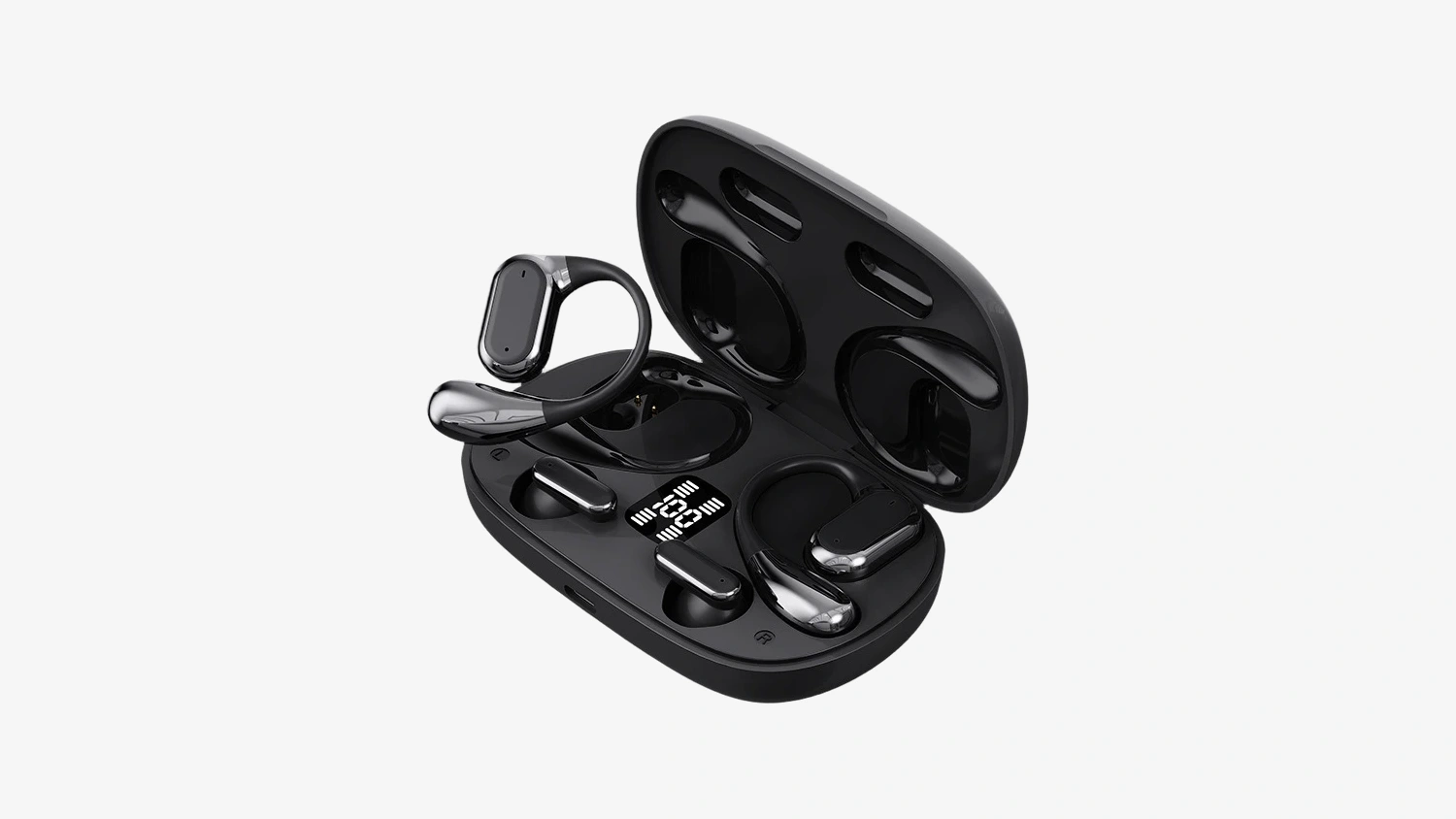
Returning earbuds to the charging case. The earbuds and the case are separate objects whose protection must be checked individually. An IPX4 marking on the earbuds does not establish the same protection for the case. Some product instructions explicitly distinguish between splash-protected earbuds and a case without splash protection. Follow the product instructions for wiping and drying the earbuds before returning them to the case for charging. The earbud rating cannot serve as a guarantee for the charging case.
How Can Earbuds Let Sound Through and Still Resist Water?
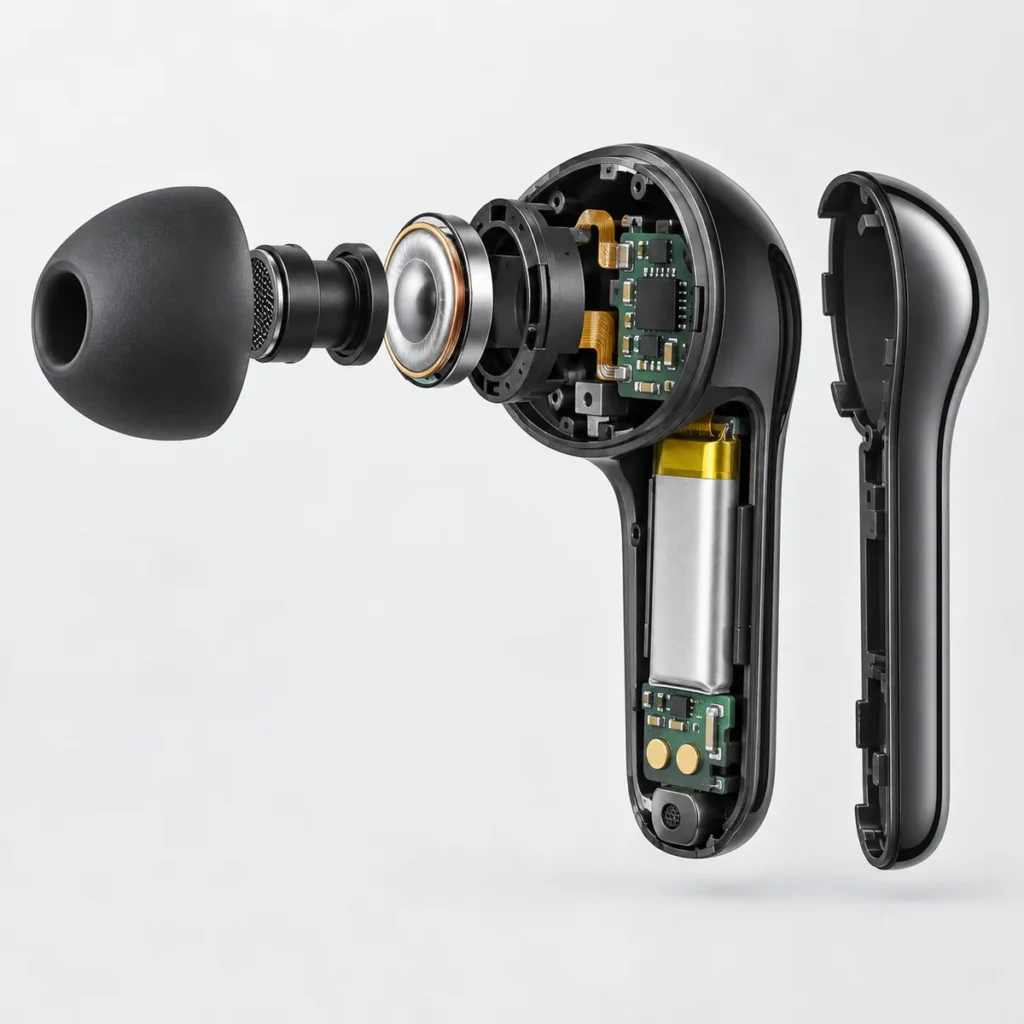
Earbuds cannot simply be made into sealed blocks without openings. The speaker needs to transmit sound, and the microphone needs to receive sound from outside. Protection at these openings must therefore preserve the earbuds’ acoustic functions.
Some microphone-opening protection systems use a dedicated protective membrane. It allows gas to pass through while limiting particle or liquid ingress according to its specifications. Ordinary dust mesh, membranes designed only for dust protection, and membrane components with specified immersion protection can have different application limits. The shape of a membrane component and the way it is stacked with other parts also affect its performance under spray or immersion. Evaluating protection therefore means checking both the component specification and its installed condition in the product.
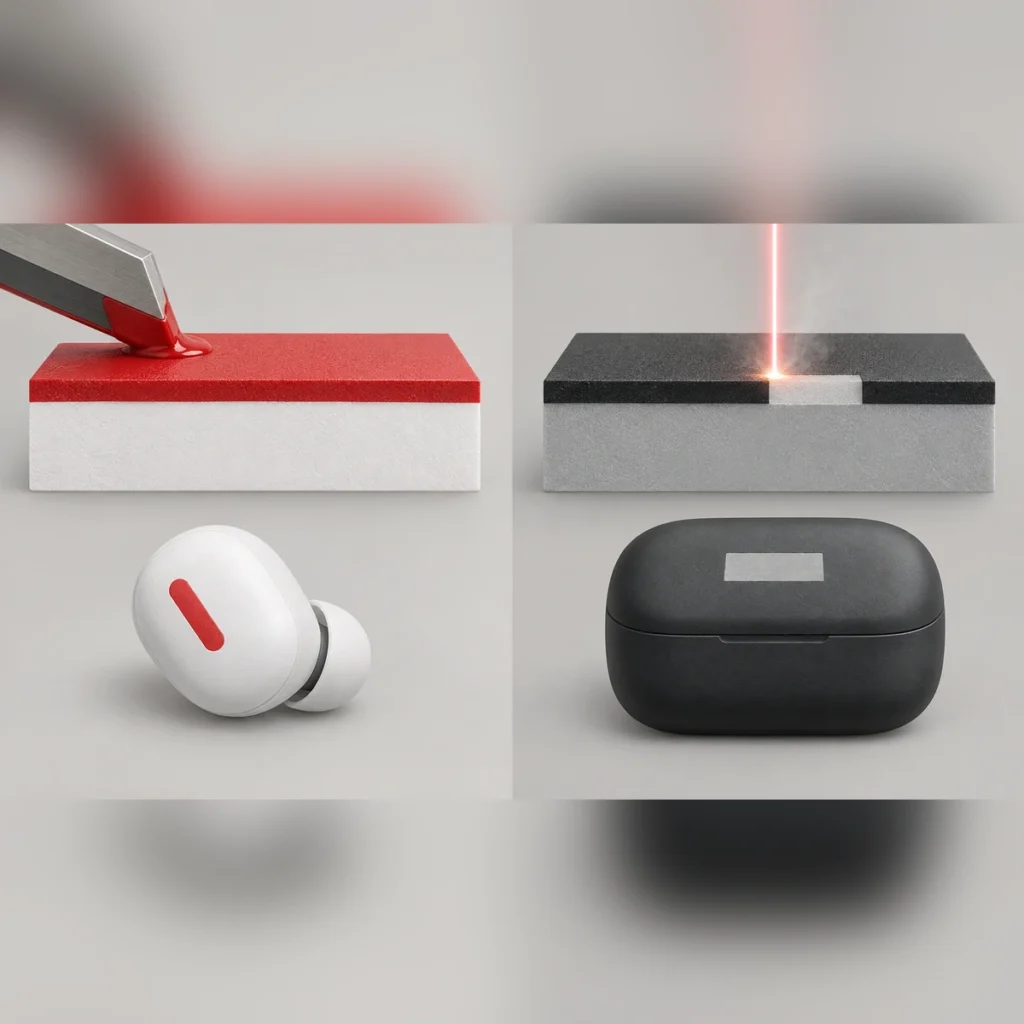
Enclosure seams create another potential entry path. Some consumer-electronics enclosures use sealant to fill the gaps between housing parts, making it harder for water to enter along the seams. Membranes protect openings, while sealants address seams. Each has its role: using a water-protective material in one location does not replace protection at the other openings and seams.
After the materials and assembly arrangement have been established, the complete device in its specified condition must still be tested under the water-exposure conditions for the target rating, with water ingress and its effects assessed. Acceptance concerns the harmful effects defined by the standard. Water droplets on the surface alone do not establish the result, and a membrane component’s rating cannot be treated as the rating of the complete earbuds.
When evaluating complete custom earphone sets with Yinshidon, brand teams need to define the protection requirements separately for the earbuds and the charging case: which object carries the rating, which water-exposure conditions are verified, and what use the product instructions permit. Relating these points to the actual protection at acoustic openings and enclosure seams helps sample evaluation and public product descriptions communicate the same requirements.